
1. Forward and backward tracing
Follow available links from material, supplier lot, batch, or finished product through production and delivery—or work backward from a complaint or shipment. Results remain tied to evidence, not assumptions.
From a lot reference to a defined scope and documented decision
Available through connected Food Safety capabilitiesQSigma360 Food Safety relates materials and lots to production, packing, storage, shipments, and customers for forward or backward tracing, mock recalls, withdrawals, and recalls. Evidence, communications, and quantity reconciliation remain connected, while authorized people retain every hold, release, notification, withdrawal, and recall decision.
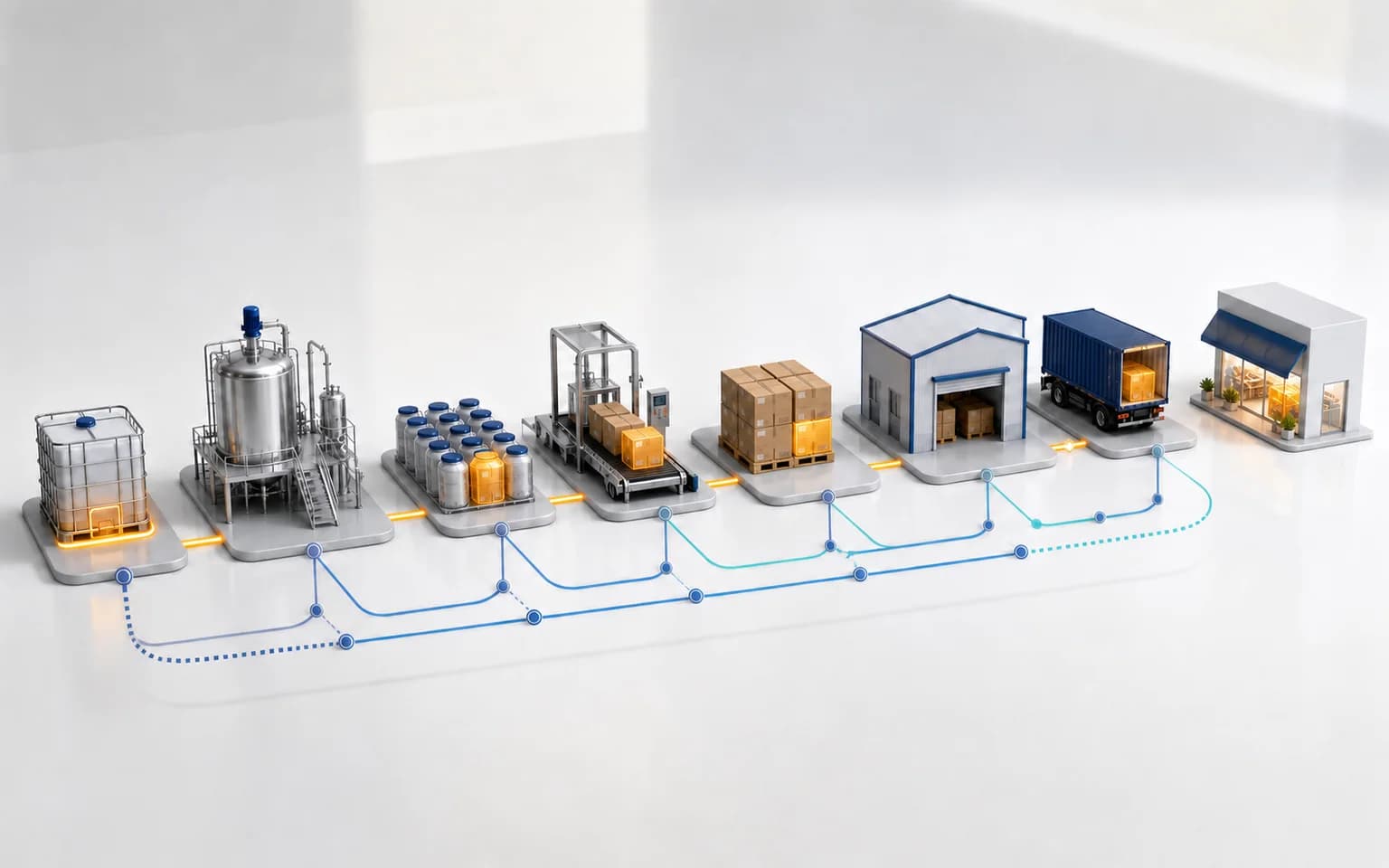
For food safety, quality, recall, production, warehouse, distribution, customer-service, supplier-quality, and authorized management teams—especially food and beverage manufacturers that must connect supplier materials with finished product, inventory, shipments, and customers.
Separate supplier, lot, shipment, complaint, and hold data delays assessment and makes affected scope and quantity reconciliation harder to evidence. QSigma360 organizes references, relationships, responsibilities, evidence, and decisions within Food Safety. It complements rather than replaces ERP, WMS, MES, or LIMS. Results depend on source-data accuracy, integration, configuration, and team readiness; no fixed tracing time, certification, or compliance outcome is guaranteed.
Follow available links from material, supplier lot, batch, or finished product through production and delivery—or work backward from a complaint or shipment. Results remain tied to evidence, not assumptions.
Review product, dates, lots, shipments, customers, distribution points, and markets, then confirm potential scope with evidence before an official decision.
Link a trace result to a controlled hold until an authorized decision records quantity, location, evidence, and disposition or release conditions. Search results never release product automatically.
Record scenario, scope, timing, quantities, reconciliation, communications, results, gaps, and CAPA. Label the exercise as a test and address gaps before closure.
Document the event, reason, risk, scope, team, communications, effectiveness, recovery, and disposition. Distinguish drafts from approvals and prepared notices from sent communications.
Compare produced, retained, distributed, recovered, destroyed, and unaccounted quantities. Highlight differences and connect investigation, root cause, CAPA, and reports before closure.
Configure ERP, WMS, MES, or LIMS references with identity, unit, time, lot, and synchronization checks. Roles, workspace isolation, activity history, and configured signatures govern access and decisions. AI may summarize evidence, flag missing information, or draft communications; it cannot hold or release product, initiate a withdrawal or recall, determine reporting obligations, or send final notices.
A conceptual view of the connected relationships described in the governing content; it is not a UI screenshot or customer data.
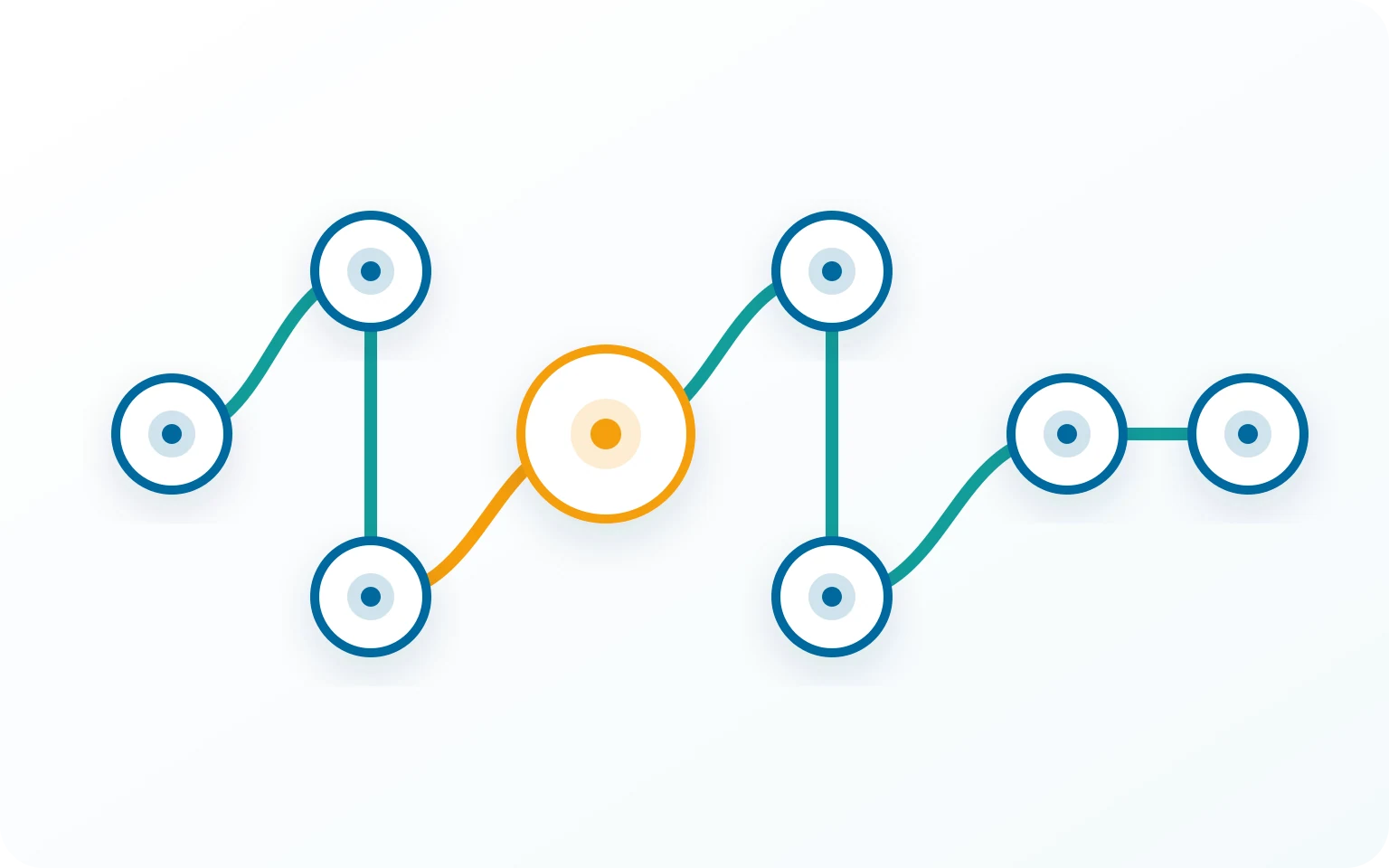
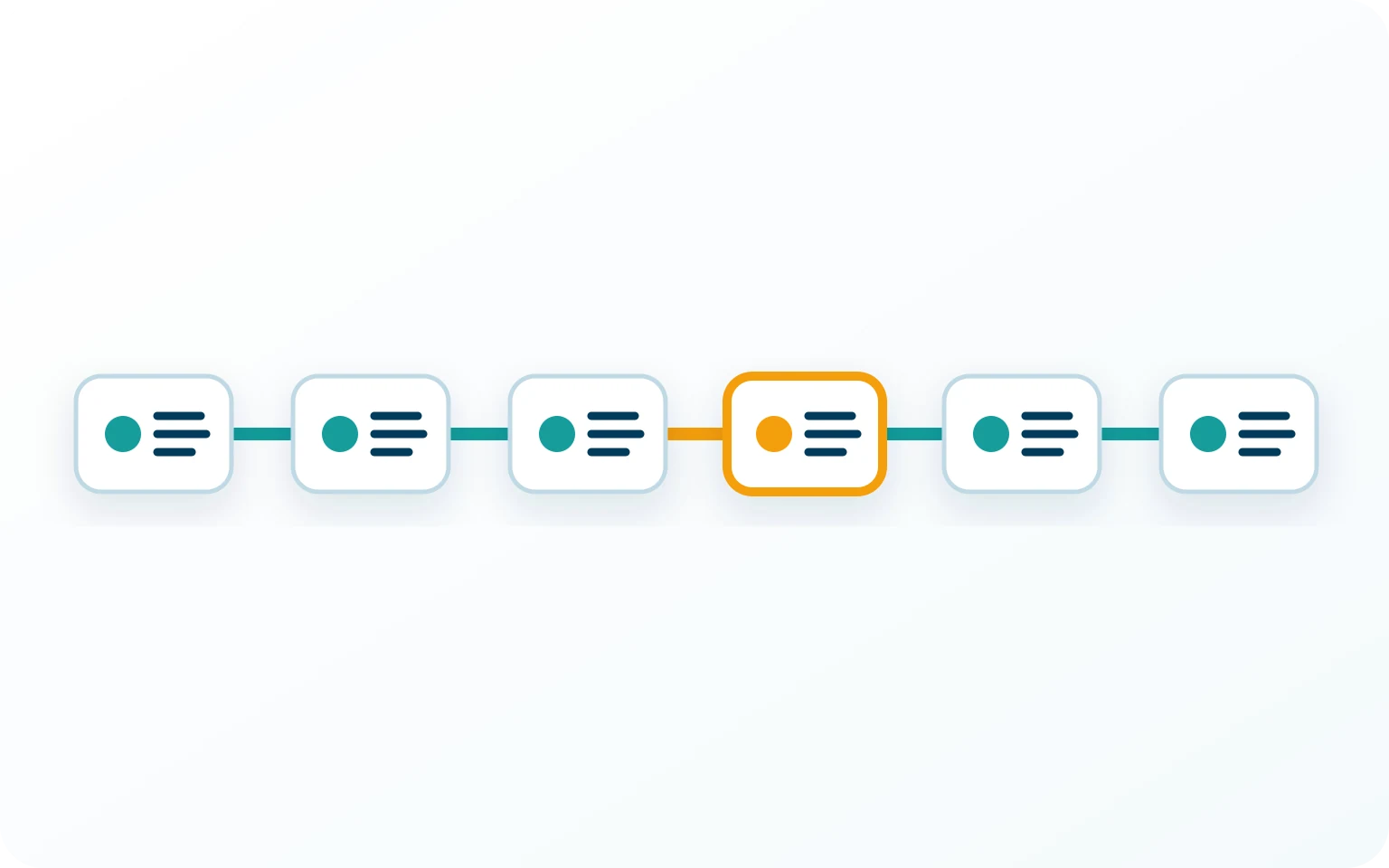
Workflow from the governing content
Start: Select an authorized material, lot, shipment, complaint, or food safety event.
Connect: Retrieve available supplier, production, inventory, shipment, and customer links.
Scope: Verify affected products, quantities, locations, customers, and missing data.
Contain: Apply the authorized hold, assessment, and escalation path.
Execute: Document the mock exercise or actual event, communications, recovery, and effectiveness.
Close: Reconcile quantities, resolve gaps, complete investigation and CAPA, then obtain approval.
No. It is an outcome delivered through connected Food Safety capabilities and related records, each retained in its authoritative module.
No. Time depends on data completeness, accuracy, integration, configuration, and team readiness.
No. Authorized people retain hold, release, withdrawal, recall, and regulatory-notification decisions.
Yes. Record scenario, scope, timing, quantities, reconciliation, communications, results, gaps, and linked actions or CAPA, clearly labeled as a test.
See connected traceability, hold, mock-recall, and reconciliation information using your data and permissions.
Start with a tailored demo built around your organization’s needs.