
1. Multi-source event intake
Record quality events from operations, customers, suppliers, audits, inspections, and other sources, together with origin details, attachments, and initial context.
A clear response to every quality signal
AvailableQSigma360 brings nonconformances and complaints into a common quality-event framework while preserving the purpose and lifecycle of each record. From intake through containment, investigation, and resolution, teams can see what has been completed, what remains due, and whether escalation to CAPA is appropriate.
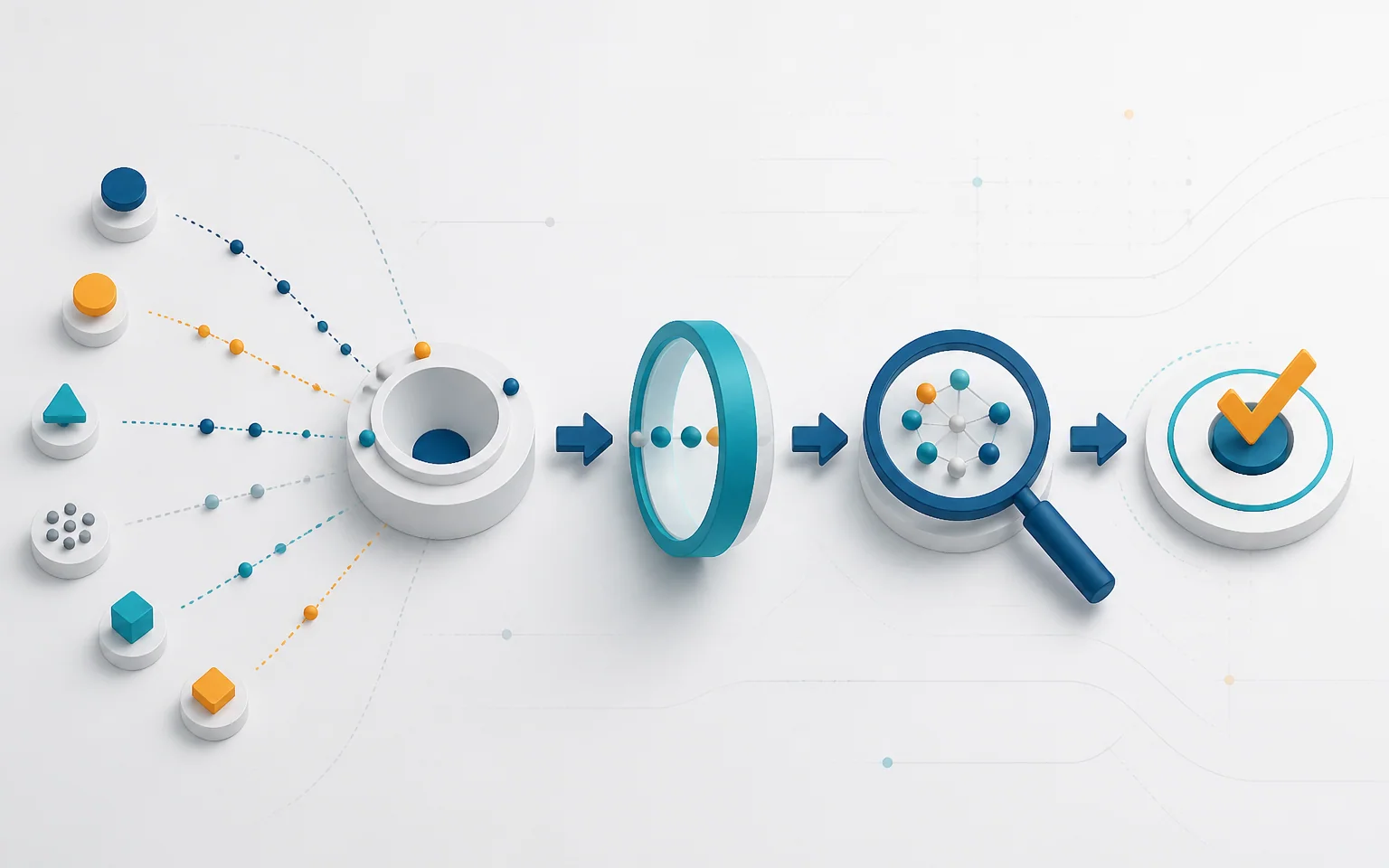
An issue may begin as an internal observation, an inspection result, a customer complaint, or a pattern across multiple records. When every channel is managed separately, prioritization, evidence gathering, and pattern recognition become difficult. QSigma360 brings intake, assessment, containment, investigation, and follow-up into one reviewable context.
A complaint remains focused on customer experience, communication, and resolution. A nonconformance remains focused on failure to meet a requirement and control of its impact. The records can be linked, and either can escalate to CAPA when risk, recurrence, or the depth of the cause warrants broader action.
Record quality events from operations, customers, suppliers, audits, inspections, and other sources, together with origin details, attachments, and initial context.
Set event type, category, severity, risk, and priority, then route the record to the appropriate owner under approved permissions and workflow.
Document what was done to protect the customer, product, or process, including initial correction and decisions affecting related material or records.
Collect evidence, questions, and observations, and apply available root-cause methods when needed rather than addressing only the visible symptom.
Coordinate responses, actions, due dates, and relevant updates while keeping external communication subject to human review and sending.
Link similar cases, identify recurrence, initiate CAPA when required, and monitor trends without losing the path back to source records and evidence.
Complaints and nonconformances can connect with CAPA, audits, suppliers, food safety, documents, and reports, while permissions protect the confidentiality of each case. The AI Quality Copilot may suggest investigation questions, improve a description, or draft a response. It does not send customer communication, change the official record, approve a decision, or close a case without human review.
Illustrative view — no customer data
Do not let a signal disappear between channels
Capabilities from intake to closure
How a case is handled
A common framework with record-level governance
A complaint records feedback or dissatisfaction from a customer or consumer and the response process. A nonconformance records failure to meet a specified requirement and documents control, investigation, and disposition.
Yes. Each record can retain its own lifecycle while appropriate links preserve a clear path from the original signal to investigation and action without duplicating context.
That depends on the organization’s methodology. Severity, risk, recurrence, systemic impact, and investigation findings may inform the decision. The platform does not replace authorized technical judgment.
No. AI may provide a reviewable suggestion or draft, but external communication, approval, and closure remain permission-controlled human actions.
See how QSigma360 helps your team capture, contain, investigate, and connect each event to the appropriate action without losing evidence or accountability.
Start with a tailored demo built around your organization’s needs.