
1. Restricted external access
The workspace is intended to grant access according to role, customer relationship, and specific record, rather than exposing internal modules or lists that an external user does not need.
Customer Collaboration Workspace | Roadmap
RoadmapQSigma360 is developing an external collaboration layer designed to give each customer limited access to an authorized case or request, with structured evidence exchange, approved updates, and controlled outputs. This page describes the intended direction; it does not present a complete portal as currently available to every customer.
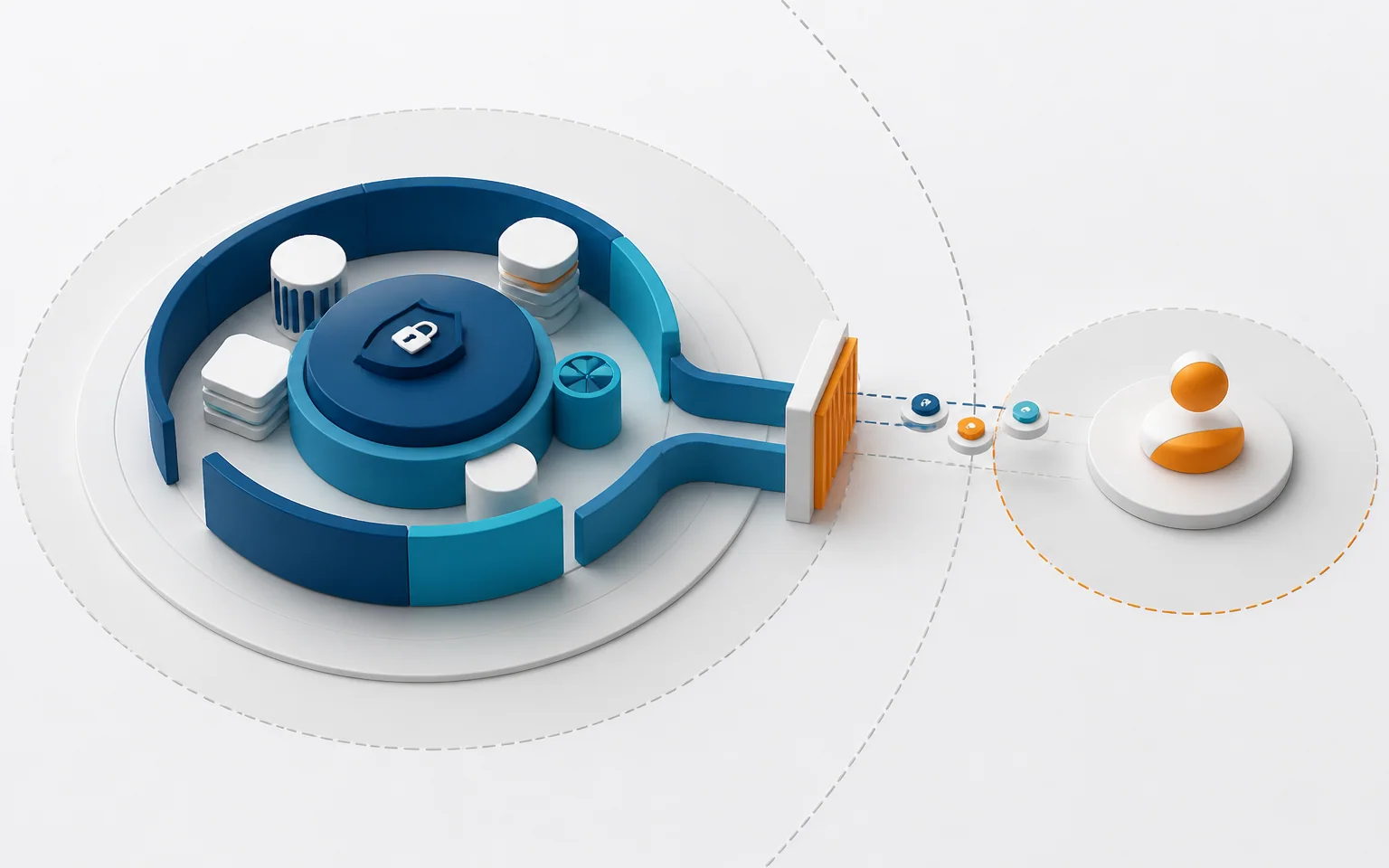
When a complaint, document request, or customer action is managed through long email threads, neither side has a dependable view of the latest status, outstanding request, or correct file. Yet giving an external user broad access to the internal quality system creates unnecessary privacy and permission risks.
The planned Customer Collaboration Workspace is a context-limited area: a customer would see only authorized information, submit requested material in the same place, and follow updates approved for external release. Internal investigation, confidential notes, and unrelated tenant records would remain outside that view. The goal is clearer collaboration with less duplication—not a general-purpose CRM.
The workspace is intended to grant access according to role, customer relationship, and specific record, rather than exposing internal modules or lists that an external user does not need.
The planned experience would show only the status, milestones, and updates that the internal team has approved for sharing, while protected investigation content stays inside the organization.
Customers would be able to provide requested evidence or documents and retrieve authorized, approved files through an organized channel connected to the relevant record.
Messages, requests, and clarifications would remain in the case context instead of being scattered across email and calls, with a firm separation between external communication and internal notes.
Only reports, responses, or outputs that have completed internal review and are designated for release would be shared. Drafts, operational files, and unrelated records would remain hidden.
The governance model is intended to record who accessed the workspace, what was available, what they submitted or downloaded, and when access changed or expired.
The workspace is envisioned as an external layer over appropriate QSigma360 records, not a separate repository that creates conflicting copies. It may connect to a complaint, request, approved document, or action where controlled external collaboration is appropriate. Access must remain limited by organization, customer, and record, using least privilege, defined access periods, and internal review before content is released.
The Customer Collaboration Workspace remains on the roadmap, and complete external sign-in is not currently available within this module. When delivered, internal notes, root-cause analysis, product-release decisions, other customers’ records, and unrelated user data will remain protected. The workspace will not replace customer relationship management or commercial ticketing; its intended purpose is controlled collaboration around authorized quality records.
Illustrative view — no customer data
The problem and the intended value
Six planned capabilities
Planned workflow
Planned integration and governance
It is not currently presented as a completed module. It remains on the roadmap, and the page status should change only when the required external capabilities are implemented and verified in the deployed environment.
No, not under the planned model. A customer would see only content classified and authorized for that customer and record. Internal notes, investigation details, and decision-making would remain protected.
No. Its planned purpose is collaboration around defined quality records—such as an authorized case, evidence request, or approved output—not sales pipelines, campaigns, or general commercial relationship management.
Request a platform demo and share the external collaboration scenario you need. The discussion can assess currently available modules and capture your requirements without promising an unverified date or capability.
Request a demo of the available QSigma360 modules and discuss the customer-collaboration scenario your organization needs.
Connected modules
Start with a tailored demo built around your organization’s needs.